





























Understanding Qualified vs Non-Qualified Annuities

Annuities are financial products that provide a steady stream of income during retirement. These products are becoming increasingly popular as more people look for...
Deterministic vs Stochastic Machine Learning: Which is Best for Your Business?
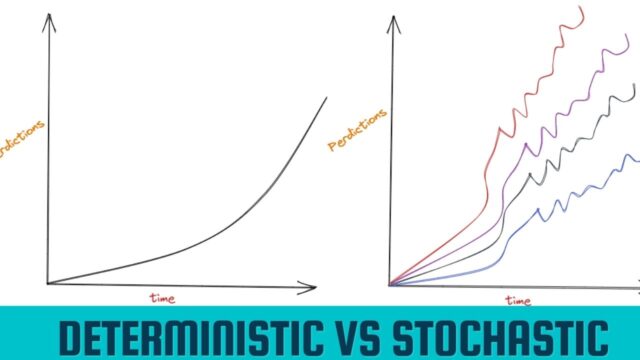
Machine learning is one of the most popular methods in business today for improving decision-making and achieving better insights into customer behavior. But not...
Cutting edge vs bleeding edge

There's a lot of talk these days about the latest and greatest technology – about being on the cutting edge. But what does that...
What Are the Benefits of Using a Payment Plan?

Whether is it outstanding bills, trips away or emergency unexpected expenses, having money is essential for many things. A few decades ago, it may...
Day Order vs Good Till Cancelled (GTC): What’s the Difference and Which One is Better?
When it comes to trading stocks or other securities, two of the most popular order types are day orders and good till cancelled (GTC)...
Risk vs. Reward: Calculating the Risk-Reward Ratio for Successful Investing
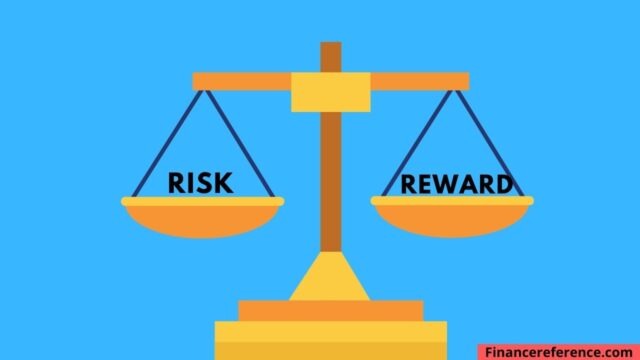
In the world of investing, risk and reward go hand in hand. Every investment opportunity presents a unique combination of potential gains and losses,...
Understanding the Difference between Principal and Agent

In the world of business and transactional relationships, understanding the difference between a principal and an agent is essential. It is crucial to know...
Understanding the Difference between Insurance and Assurance

When it comes to financial planning and security, terms like insurance and assurance are often thrown around. However, not everyone understands the difference between...
Primary vs. Contingent Beneficiary: Which One Should You Choose?

Planning for your future and the welfare of your loved ones is essential. That’s why it is important to have an estate plan in...
Deflation vs. Inflation – Understanding the Differences and Impact on Economy
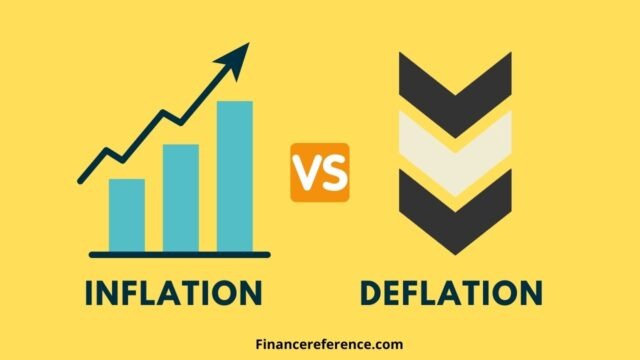
The terms deflation and inflation are often used in the context of economics and they refer to the opposite trend in prices of goods...