



























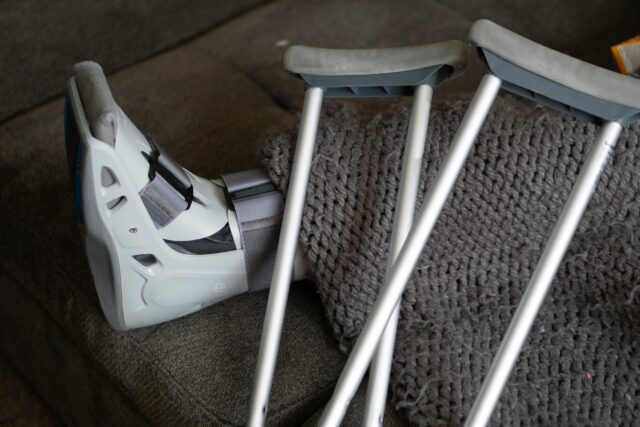
Life, as we know it, is full of uncertainties. One moment you could be going about your day, and the next, an unexpected accident or illness could turn your world upside down. For many, especially those who rely on their physical ability to earn a living, such an event can have devastating financial consequences. This is where the crucial role of personal accident insurance comes into sharp focus, acting as a vital safety net when you need it most.
Imagine being unable to work for an extended period due to injury or sickness. How would you cover your daily expenses, mortgage repayments, or even basic living costs? Without adequate protection, the financial strain can quickly become overwhelming, adding stress to an already difficult situation. Understanding the profound impact of unforeseen circumstances highlights why securing comprehensive personal accident insurance coverage is not just a luxury, but an absolute necessity for safeguarding your financial future.
The unpredictability of life’s challenges
No one ever plans to have an accident or fall seriously ill, yet these events are an unfortunate reality for many. Whether it’s a mishap at home, a sporting injury on the weekend, or a sudden illness, the consequences can range from minor inconvenience to long-term disability. For tradies, contractors, and self-employed individuals, who often don’t have access to employer-provided sick leave or workers’ compensation, the financial repercussions are particularly acute.
Consider a carpenter who slips on a wet surface at a job site and breaks an arm, or a freelance graphic designer who develops a debilitating chronic illness. Their ability to generate income is immediately compromised, potentially for weeks or even months. Without a steady income stream, savings can quickly deplete, debts can mount, and the pressure to recover and return to work prematurely can be immense. This vulnerability underscores the importance of proactive financial planning and robust insurance solutions.
What is personal accident insurance?
At its core, personal accident insurance is designed to provide financial compensation if you suffer an injury or illness that prevents you from working. Unlike general health insurance which covers medical expenses, this type of policy focuses on replacing lost income and providing a lump sum for specific injuries. It offers a crucial buffer, ensuring that your household can continue to meet its financial obligations even when you can’t work.
This essential cover typically pays a weekly benefit for a specified period if you are temporarily disabled and unable to perform your usual duties. For more severe, permanent injuries, it might provide a lump sum payment. Such financial support can be invaluable, allowing you to focus on recovery without the added stress of financial hardship. It’s about protecting your most valuable asset: your ability to earn a living.
Building on this fundamental premise, it’s crucial to understand the various facets and specific protections personal accident insurance typically offers. This isn’t a one-size-fits-all product; policies can vary significantly in their scope, the types of injuries covered, and the benefits provided. A deeper dive reveals how this insurance acts as a versatile financial safety net, tailored to mitigate the wide-ranging impacts of unexpected physical harm.
What Does Personal Accident Insurance Typically Cover?
The core of personal accident insurance lies in its specific benefits, designed to address different severities and durations of disablement resulting from an accident. These can generally be broken down into several key categories:
- Temporary Total Disablement (TTD): This is perhaps the most commonly utilized benefit. If an injury prevents you from performing any of your usual job duties for a temporary period, the policy will pay a regular weekly benefit. This benefit is typically a percentage of your average weekly earnings (often up to 85%), ensuring a steady income stream while you recover. Policies usually specify a waiting period (e.g., 7 or 14 days) before benefits commence and a maximum duration for these payments (e.g., 52 or 104 weeks).
- Permanent Total Disablement (PTD): For more catastrophic injuries that result in permanent and complete inability to engage in any employment for which you are reasonably suited by education, training, or experience, a lump sum payment is provided. This could include the loss of both eyes, both hands, both feet, or one hand and one foot. The payout for PTD is usually the full sum insured under the policy, recognizing the profound and lasting impact on your earning capacity and quality of life.
- Permanent Partial Disablement (PPD): Many accidents result in permanent but partial loss of function. For instance, the loss of one eye, one hand, or one foot, or significant hearing loss. In such cases, the policy provides a lump sum payment based on a predetermined schedule of benefits. This schedule assigns a percentage of the total sum insured to specific partial disablements, reflecting the degree of impairment and its impact on your ability to work and live independently.
- Accidental Death Benefit: Should the accident unfortunately lead to death, the policy pays a lump sum benefit to your nominated beneficiaries. This provides vital financial support to your family during a devastating time, helping them manage immediate expenses and maintain their financial stability in your absence.
- Medical Expenses Reimbursement: While personal accident insurance isn’t health insurance, many policies include a provision for medical expenses directly related to the covered accident. This typically covers costs such as hospitalisation, surgery, doctor’s fees, diagnostic tests, and sometimes even physiotherapy or rehabilitation. There’s usually a sub-limit for these expenses, and they often act as a secondary cover to your primary health insurance, covering deductibles or specific out-of-pocket costs.
- Other Specific Benefits: Some policies may offer additional benefits such as fracture benefits (a fixed sum for specific bone fractures), burns benefits, repatriation costs (if the accident occurs overseas), or even educational grants for dependent children if the primary earner suffers severe permanent disablement or death.
Understanding these distinct categories is crucial for evaluating whether a policy adequately addresses your potential risks and financial needs. It moves beyond just medical bills, focusing on the broader economic repercussions of an accident.
Understanding Exclusions: What Personal Accident Insurance May Not Cover
Just as important as knowing what a policy covers is understanding its limitations. Exclusions are conditions or circumstances under which the insurance will not pay a benefit. Common exclusions across personal accident policies include:
- Pre-existing Conditions: Injuries or disabilities arising from conditions you had before taking out the policy.
- Self-Inflicted Injuries: Any harm intentionally caused by the insured, including suicide or attempted suicide.
- Under the Influence: Injuries sustained while under the influence of alcohol or non-prescribed drugs.
- Hazardous Activities: Participation in certain high-risk sports or activities (e.g., professional racing, mountaineering, skydiving) unless specifically declared and covered by an additional premium or rider.
- War and Civil Unrest: Injuries or death resulting from acts of war, invasion, civil commotion, or terrorism.
- Criminal Acts: Injuries sustained while committing or attempting to commit a criminal offense.
- Illnesses Not Caused by Accident: Unless a specific critical illness or extended illness rider is included, general illnesses are typically not covered, as the policy is accident-specific.
- Childbirth and Pregnancy: Complications related to pregnancy or childbirth are generally excluded.
Thoroughly reviewing the exclusion list in the policy document is vital to avoid any surprises when a claim needs to be made. It ensures that your expectations align with the actual coverage provided.
Who Benefits Most from Personal Accident Insurance?
While anyone can benefit from the financial security offered by personal accident insurance, certain individuals and demographic groups find it particularly indispensable due to their unique circumstances or risk profiles:
- Self-Employed Individuals and Freelancers: This group often lacks the safety net of employer-sponsored sick leave or workers’ compensation. For a freelancer, a broken arm or a debilitating injury means a direct cessation of income. Personal accident insurance steps in to fill this critical gap, ensuring business continuity and personal financial stability.
- Employees with Limited Sick Leave or No Employer-Provided Disability Benefits: Many companies, especially smaller businesses, offer minimal or no paid sick leave beyond a few days, and long-term disability benefits are not universal. For these employees, an accident could quickly exhaust their leave and savings, making personal accident insurance a crucial supplement.
- Individuals in Physically Demanding or High-Risk Occupations: Carpenters, construction workers, electricians, delivery drivers, and others whose jobs involve physical labor or exposure to hazards face a higher statistical likelihood of accidents. This insurance provides targeted protection against the specific risks inherent in their work.
- Primary Income Earners with Dependents: If you are the main provider for your family, an accident that compromises your ability to work can have devastating consequences for your loved ones. The lump sum benefits for permanent disablement or accidental death provide a vital financial cushion, protecting your family’s future.
- Adventure Sports Enthusiasts and Hobbyists: Individuals who regularly engage in activities like cycling, hiking, water sports, or even amateur contact sports, face an elevated risk of injury. While some standard policies might exclude extreme sports, specialized personal accident policies or riders can be tailored to cover these specific hobbies.
- Those with Significant Debts or Financial Commitments: Mortgage payments, car loans, and other financial obligations don’t pause because you’re injured. For individuals with substantial ongoing financial commitments, the income replacement aspect of personal accident insurance is invaluable in preventing default and financial distress.
In essence, anyone whose financial well-being is heavily reliant on their physical ability to work should seriously consider personal accident insurance. It’s a proactive measure to safeguard your most fundamental earning capacity.
Choosing the Right Policy: Key Considerations
Selecting the appropriate personal accident insurance policy requires careful thought and an understanding of your personal circumstances. Here are crucial factors to consider:
- Assess Your Income and Financial Obligations: Determine how much weekly benefit you would need to cover essential living expenses and debts if you were unable to work. This will help you decide on the appropriate sum insured for temporary disablement benefits. For permanent disablement and accidental death, consider your long-term financial goals and the needs of your dependents.
- Evaluate Your Occupation and Lifestyle Risks: Your profession is a primary determinant of your premium and coverage. Be honest about your job duties and any hazardous hobbies. Ensure the policy you choose accurately reflects these risks, or be prepared to purchase additional riders for specific activities.
- Understand the Waiting Period and Benefit Duration: Most policies have a waiting period before temporary disablement benefits kick in. Ensure this aligns with any sick leave you might have from an employer. Also, note the maximum duration for which weekly benefits will be paid – typically 52 or 104 weeks.
- Scrutinize Exclusions and Limitations: As highlighted earlier, a thorough review of the exclusions section is non-negotiable. Understand what is definitely not covered to avoid disappointment later. Pay attention to geographical limits if you travel frequently.
- Compare Quotes and Coverage Details: Don’t settle for the first policy you encounter. Obtain quotes from multiple providers and meticulously compare not just the premiums, but also the breadth of coverage, the specific benefits offered, and the claims process. A cheaper policy might have significant exclusions or lower benefit limits.
- Consider Riders and Add-ons: If you need coverage for specific risks (e.g., critical illness, extended medical expenses, or particular sports), inquire about optional riders that can be added to your base policy. These can enhance your protection for a relatively small additional premium.
- Read the Fine Print: Always read the Product Disclosure Statement (PDS) or policy wording in its entirety. If anything is unclear, seek clarification from the insurer or a qualified insurance advisor.
Personal accident insurance serves as a vital complement to your overall financial protection strategy, working alongside health and life insurance to create a robust safety net. It offers a unique and targeted form of security by directly addressing the financial fallout of an accident that impacts your ability to earn. In a world where unforeseen events are an inescapable reality, having this protection allows individuals and families to face adversity with greater confidence, knowing their financial future is safeguarded